
By Vic Cherubini
Founder, Epic Creative Co-Op & Woodlands Photo Studios
I fell in love with photography when I was 13 years old.
Over the past six decades, that passion has carried me through every major transformation this industry has endured. I earned my Bachelor of Arts in Photography from SUNY Geneseo in 1974, spent years working with medium-format cameras, mixed darkroom chemicals under amber safelights, ran commercial studios, and built a creative campus on Sawdust Road in Spring, Texas.
Along that journey, I lived through what many once considered the end of the craft: the transition from analog film to digital sensors.
When early digital cameras arrived, the results couldn’t hold a candle to film. The resolution was coarse, dynamic range was narrow, and traditionalists swore digital lacked “soul.” But within just a few short years, sensor technology leapt forward. The darkroom moved into software, turnaround times collapsed from days to minutes, and the industry was permanently transformed. Today, I could not imagine running a commercial shoot with a film camera and handling post-production the way I was first taught. Those who resisted digital were left behind. Those who embraced the shift discovered a level of speed, precision, and creative freedom they had never dreamed possible.
Now, commercial imagery has arrived at an even bigger milestone: Generative and Computational AI.
After integrating these tools into my daily workflow over the past year, I have reached an honest conclusion: I can no longer simply call myself a “photographer.” My title is ImageMaker.
Here is why that distinction matters—and why it represents a massive competitive and financial advantage for your business.
Photography Captures What Is. ImageMaking Delivers What You Envision.
In traditional commercial photography, the camera is an unyielding recorder of circumstance. If you want a vibrant commercial image of your restaurant or bar bustling with patrons, here is what the traditional process demands:
You shut down or disrupt normal operations for half a day.
You hire paid actors or models and collect signed model release forms.
You bring in food stylists, hair and makeup artists, and an array of light stands, cables, and softboxes.
You coordinate with managers, bartenders, and kitchen staff who are pulled away from serving real customers.
You pay thousands of dollars in production fees to capture a handful of static angles.
As a business owner with an MBA, I look at that equation and see immense overhead, wasted labor, and unnecessary friction.
As an ImageMaker, my goal isn’t to bill you for camera gear sitting on a tripod; my goal is to deliver striking, commercial-grade visual assets that drive revenue, elevate your brand, and tell your story—faster and at a fraction of traditional production costs.

Photography Captures What Is. ImageMaking Delivers What You Envision.
In traditional commercial photography, the camera is an unyielding recorder of circumstance. If you want a vibrant commercial image of your restaurant or bar bustling with patrons, here is what the traditional process demands:
You shut down or disrupt normal operations for half a day.
You hire paid actors or models and collect signed model release forms.
You bring in food stylists, hair and makeup artists, and an array of light stands, cables, and softboxes.
You coordinate with managers, bartenders, and kitchen staff who are pulled away from serving real customers.
You pay thousands of dollars in production fees to capture a handful of static angles.
As a business owner with an MBA, I look at that equation and see immense overhead, wasted labor, and unnecessary friction.
As an ImageMaker, my goal isn’t to bill you for camera gear sitting on a tripod; my goal is to deliver striking, commercial-grade visual assets that drive revenue, elevate your brand, and tell your story—faster and at a fraction of traditional production costs.
Real-World Proof: The Empty Bar That Came to Life
To see the difference between a traditional camera operator and an ImageMaker, consider a recent commercial project.
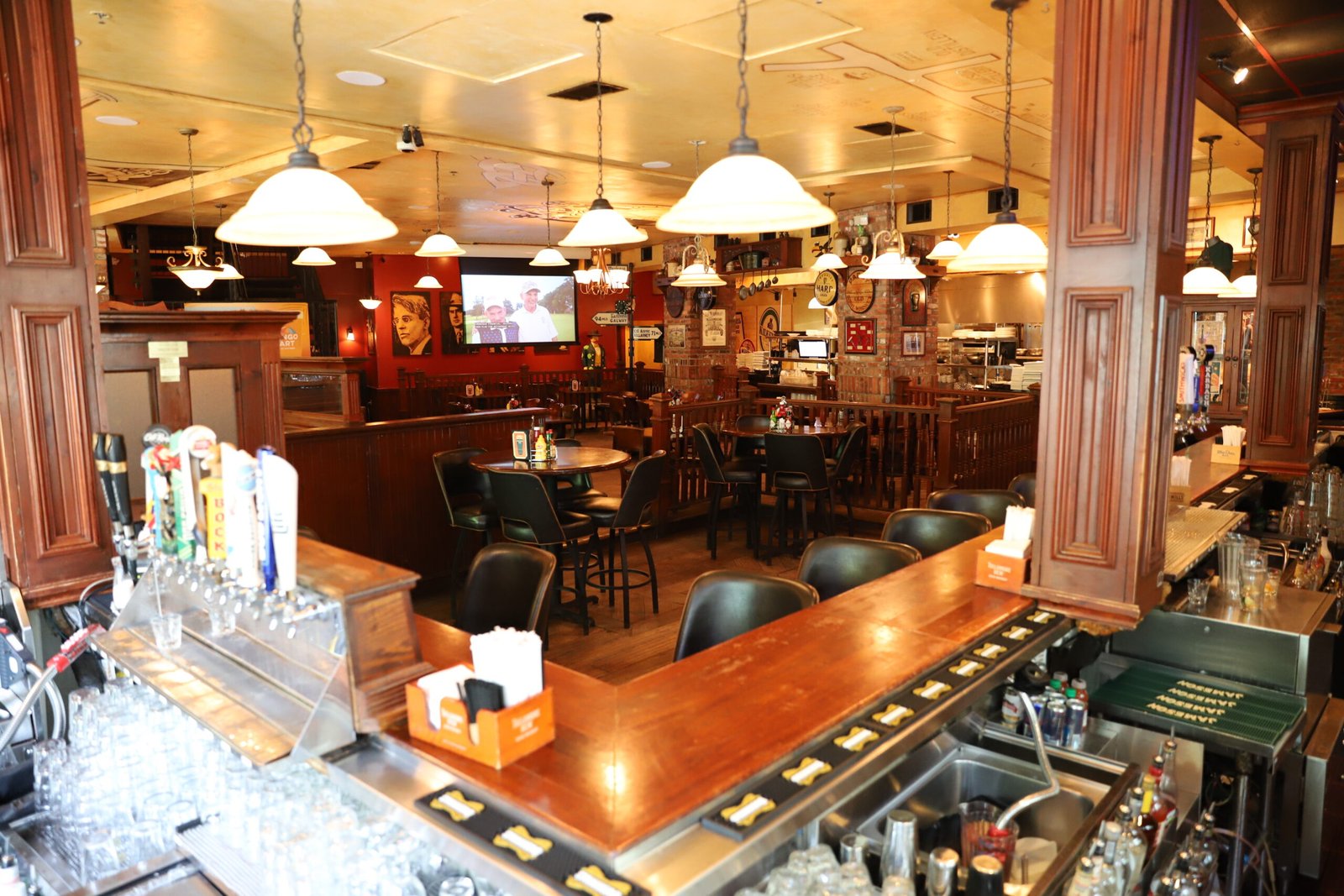
A client sent me a basic, available-light photo taken behind their restaurant’s bar:
The Raw Input: The room was completely empty. The pendant lamps blew out highlights on the ceiling, the wood had flat color tones, and the stainless-steel drink prep wells reflected harsh ambient glare. It was an accurate recording of a quiet, empty room—and virtually unusable for high-impact social or website marketing.
[INSERT IMAGE 1: RAW CUSTOMER PHOTO - EMPTY BAR]
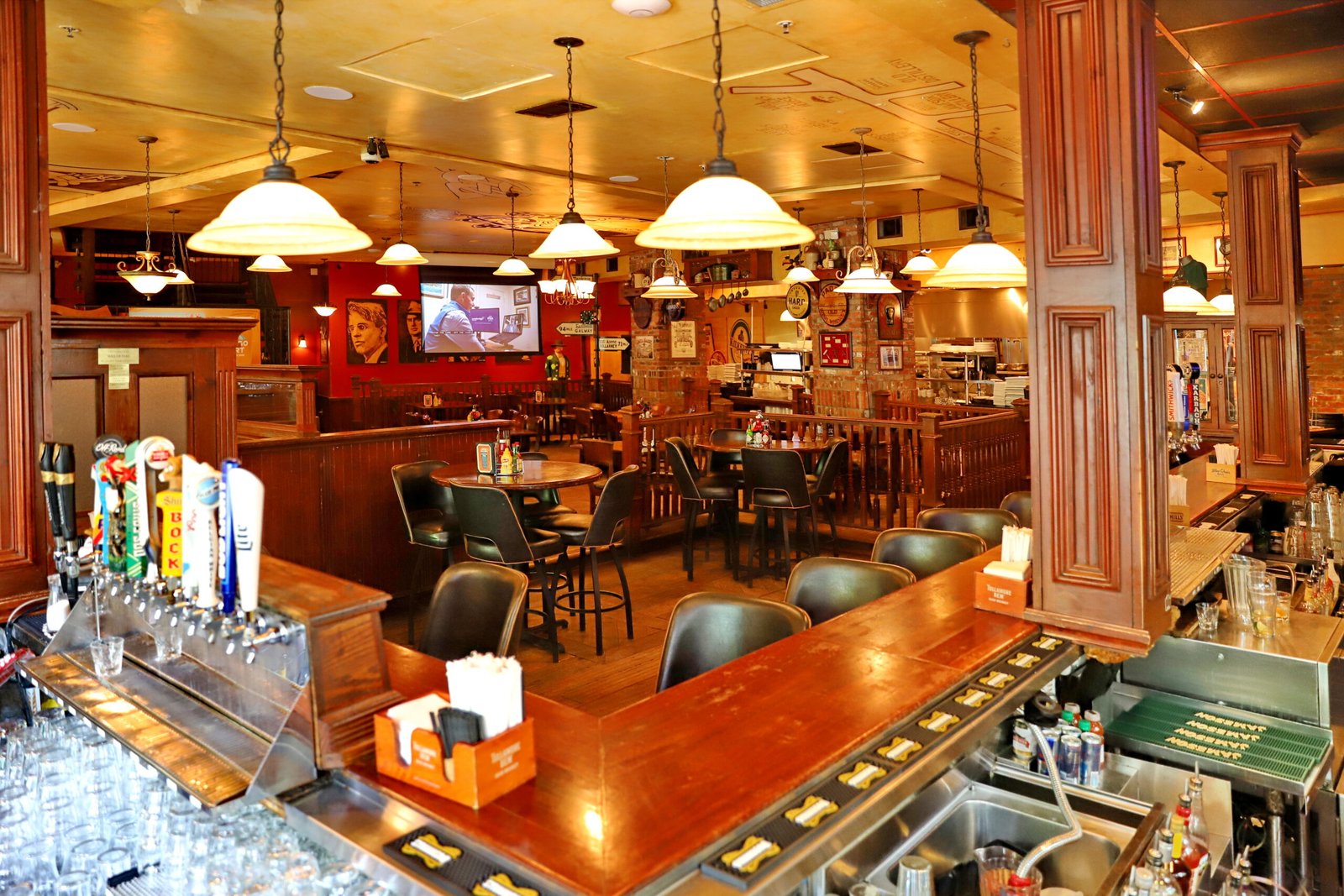
Step 1: The Master Photographer’s Foundation: Before touching an AI model, I brought the raw frame into my core editing software (ACDSee Ultimate). Drawing on decades of studio lighting knowledge, I color-balanced the warm wood tones, controlled the hot ceiling fixtures, recovered shadowed background seating, and brought rich contrast to the mahogany bar top.
[INSERT IMAGE 2: TRADITIONALLY EDITED PHOTO]
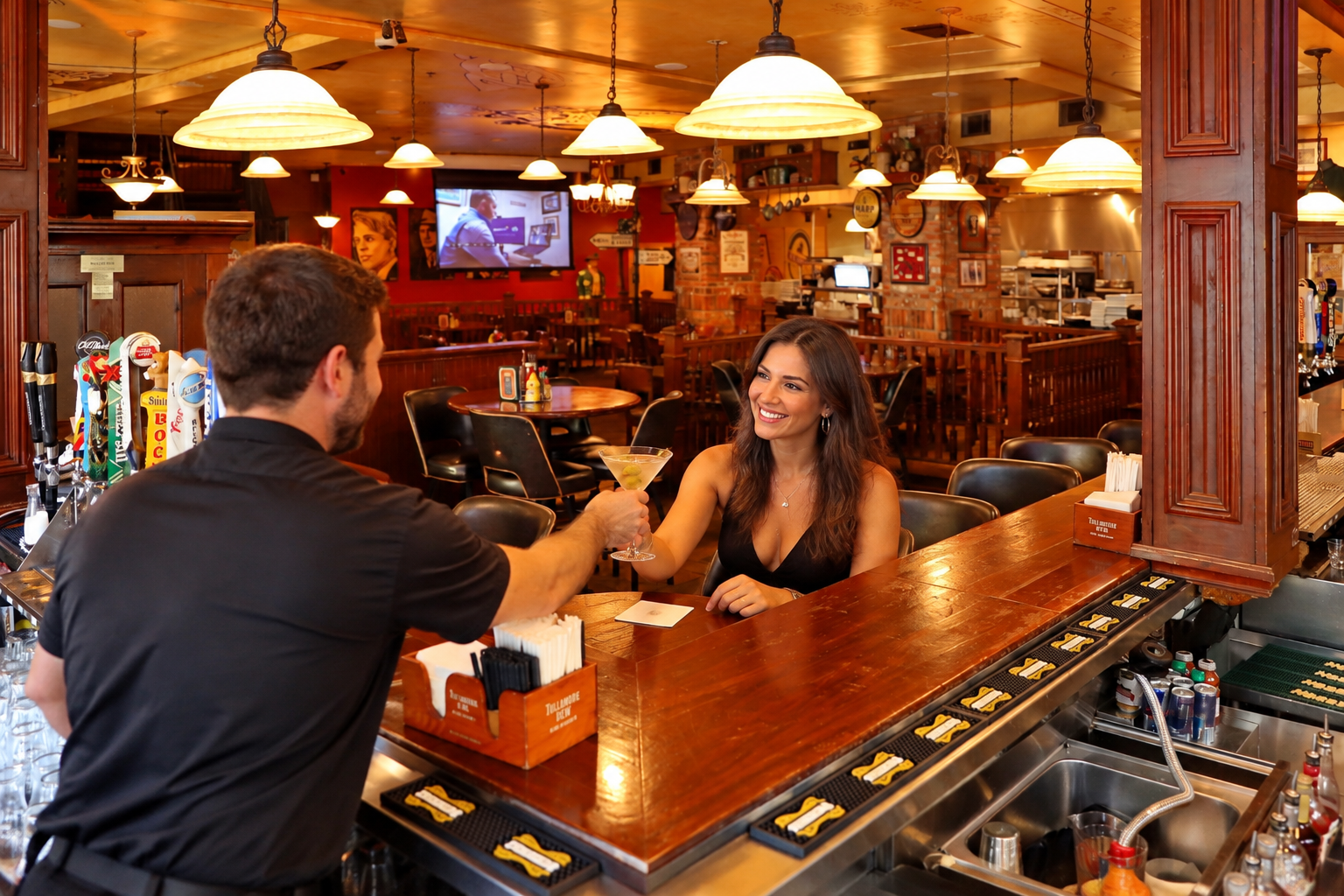
Step 2: The ImageMaker Transformation: With the environmental physics dialed in, I took the edited plate into an advanced AI image pipeline. The result? A charismatic bartender pouring a martini across the counter for a smiling female patron. The lighting on their skin and clothing matches the warm, ambient glow of the hanging brass pendants. The glassware reflections align with the stainless-steel prep well.
[INSERT IMAGE 3: FINAL AI FINISHED COMPOSITE WITH PATRON & BARTENDER]
The client received an editorial-quality hero shot that looks like a high-budget commercial campaign. What didn’t happen?
Zero disruption to the restaurant’s operational hours.
Zero model fees or legal liability.
Zero talent releases.
Completed at a fraction of the cost of a traditional on-location commercial shoot.
Visual Direction: The New Fast-Paced Menu Shoot
Consider another shoot I recently completed for a restaurant launching a brand-new menu.
Traditionally, a full menu shoot is an exhausting, day-long ordeal. Dishes sit under hot tungsten or strobe lights, sauces congeal, garnish wilts, and a food stylist charges $1,500 just to keep lettuce looking crisp.
Instead, I set up a small table adjacent to the kitchen line with clean, simple lighting. As each new dish came hot off the pass, the server placed it on the table. In less than sixty seconds, I photographed the dish from four sides and several key angles.
Those clean reference captures provided the exact geometry, texture, and plating structure needed for post-production image synthesis. Back at the studio, with the restaurant owner directing me in real time, we placed each dish into diverse tabletop environments, varied the props, and generated an entire seasonal catalog of flawless menu photography.
No cold food, no lost dining room covers, and a library of visual assets delivered at three times the volume of a traditional session. Best of all: even under close inspection, you cannot tell the images were produced any other way than through a high-end commercial lens.
Why Prompting Alone Fails (and Why 50+ Years Behind the Lens Matters)
A common misconception today is that anyone with an internet connection and an AI subscription can produce commercial imagery.
Anyone can type a prompt and generate a generic, cartoonish image with plastic skin and six fingers. But commercial clients do not need plastic digital art; they need images grounded in the real, physical world that represent their actual facilities, products, and services.
This is where the discipline of the master photographer becomes essential. An AI engine does not understand physics, optics, or emotional resonance unless the person directing it understands them first:
Focal Length & Compression: Knowing the optical distortion of a 24mm wide angle versus the flattering compression of an 85mm portrait lens.
Lighting Ratios & Color Temperature: Understanding key lights, fill, Kelvin color temperatures, and how bounce light interacts with dark wood versus stainless steel.
Composition & Spatial Hierarchy: Directing the viewer’s eye with leading lines, the rule of thirds, and negative space tailored for website banners and marketing collateral.
When I take a cell phone photo sent from your jobsite, an employee snapshot, or a rapid studio capture, I am not typing random keywords into software. I am applying sixty years of photographic discipline to direct a computational engine toward physical realism.
Adapt or Be Left Behind
When digital cameras first challenged 35mm and medium-format film, the creative community fractured into two camps: those who embraced the digital future and those who insisted the old way was the only way. History made the verdict clear.
Today, commercial creators face the exact same fork in the road. Photographers who refuse to integrate computational tools into their workflow out of dogmatic pride will find themselves priced out and outpaced by clients who need speed, adaptability, and cost efficiency.
I still own high-end professional camera systems, studio strobes, and commercial lenses. I still visit jobsites, executive suites, and dining rooms. But the camera is no longer the final word—it is simply the first brushstroke.
I don’t just take photographs anymore. I make images.
Immediate Action Plan: Put the ImageMaker Workflow to Work for Your Business
Audit Your Visual Needs: Identify scenes you need right now that feel too expensive or disruptive to shoot traditionally (e.g., populated dining rooms, completed construction sites during busy hours, seasonal menu items, or executive environmental portraits).
Submit a Test Snapshot: Take a high-resolution smartphone photo of your space or product in natural daylight and send it directly to Vic@woodlandsphotostudios.com.
Review Your Proof of Concept: We will produce a side-by-side comparison showing your raw input, a traditional foundational balance, and an ImageMaker commercial asset tailored for your website and social channels.


 Español de México
 English